EV Drivers – Pioneers and Tiny Minority

As I look over the pretty white dashboard with the silver rings in my Fiat 500e, I smile when I see another 500e on the road. Most of them have their stickers so they can ride in the car pool lane and skip tolls on the bridges. As a borrowed test car, mine doesn’t.

I enjoy seeing a BMW i3 whiz by. Nissan Leafs are common, distinguished from each other only by color. It’s nice to see the new 2016 Chevrolet Volt is taking off. I see them frequently, with their all-new look. Their unique taillamps flaunt a fresh signature on the way home at night.

But, we EV drivers are still a tiny minority on the highways and byways of America. For every one of us there are 100 Ford F150s or Toyota Camrys or Chevrolet Tahoes. Cheap gasoline has encouraged a boom in larger cars, so even intelligent choices like the Honda Fit or Hyundai Elantra languish.

Sergio Marchionne, head of Fiat Chrysler Automobiles, said he’s ramping up production of big Jeeps and reducing production of smaller, more efficient Dodge Darts and Chrysler 200s. Why? Because big Jeeps are the cars that people are buying, and he has to run his company at a profit. It’s a good–even necessary–business decision, but it’s not helping the environment. Marchionne has already stated that FCA loses thousands of dollars on every little Fiat 500e it sells (although the company gets credits towards its Federal clean air obligations).

The people are speaking, and most of them are not EV enthusiasts. They want what they want and like. You can’t blame them. Like the climate crisis in general, if you can’t see it, it’s hard to muster up the energy to do anything about it.

To my left, a giant, black Cadillac Escalade momentarily blocks out the sun. It’s going to be a long haul (but worth it).



Mitsubishi i-MiEV – Entry-level Electric Motoring

In any shopping experience, there’s the fancy way, the regular way and the basic way to buy. You can grab the $3,000 bracelet at Tiffany’s, the $500 one at Macy’s, or the $29.95 one at Ross.

Same thing with electric cars. A super-duper Tesla can set you back $90,000, a Leaf is $35,000, and the little Mitsubishi i-MiEV? Just $22,995.

Mitsubishi_i-MiEV 2016

You do get more for your money, but if you truly want gas-free travel, the i-MiEV will do it. And there’s a certain charm to it, too, with its quirky bubble styling and basic (but quite functional) controls inside.

The downside is the range–about 62 miles–but that’s actually enough for most of your driving. I commuted 18 miles each way to work in the bright blue one I tested recently, and it was just fine. It helped that there are half a dozen ChargePoint charging stations in front of my office building, too, because charging at 240 volts is much faster than household 120.

You won’t have problems finding your i-MiEV in the parking lot–few are sold in the U.S., but they’re more popular in Europe.

See my recent story in the Tri-City Voice (Fremont, California) for more details.

Why the Price of Gas Is Too Low

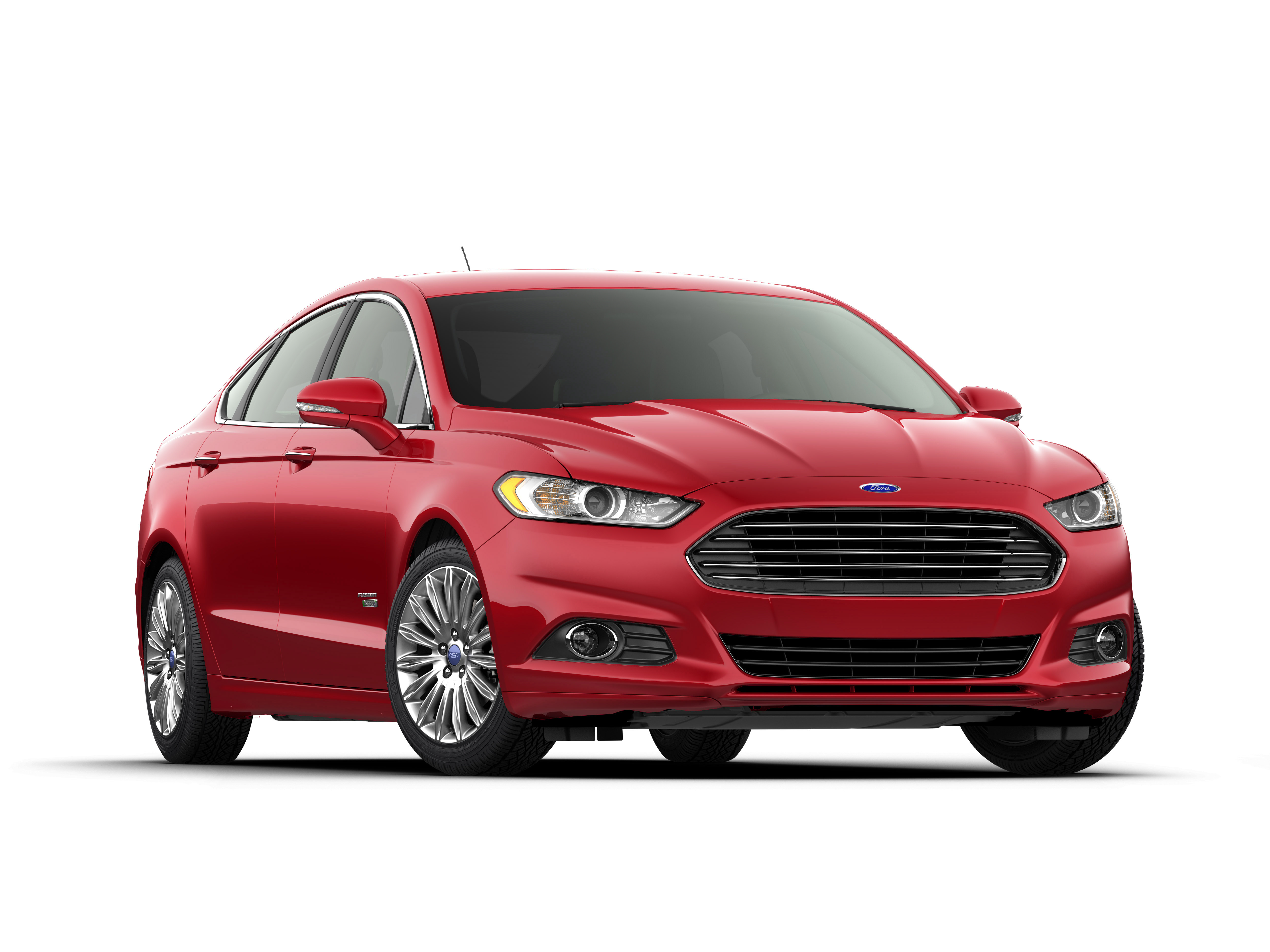
2014 Ford Fusion Energi sedan is Ford's newest plug-in hybrid; it has an EPA-estimated range of 620 miles when starting with a full tank of gas and fully charged battery.

Ford Fusion Energi

Everybody wants to save money. I hate paying a lot for gasoline, too. But, regular is just over $3 a gallon in California now, and I heard on the radio yesterday that somewhere in the continental U.S. it was below $2 a gallon. Hooray!

But wait a minute. The lower fuel prices go, the more people go out and buy large, gas-guzzling cars. Price is a big factor in those purchases, and the supply of Toyota Priuses piles up in the dealer lots.

Hybrid versions of cars that are also sold as gas models cost more. The idea is to save money, and they do–eventually. The real reason, though, to buy a hybrid, electric, or small, highly efficient vehicle is to save the planet!

Some folks do make that choice. I can think of three sets of them now. My neighbors traded in a thirsty, but beautifully maintained Lincoln Town Car for a midsize Ford Fusion Energi plug-in hybrid. That should triple or quadruple their mileage, and reduce their carbon footprint significantly.

Another couple I know, already Prius owners, leased a Nissan Leaf pure electric vehicle. The $99/month payment was a factor, but these folks, who have the solar panels on their roof to fuel the thing, are simply making the right choice.

I just found out today that another friend just got himself a brand new Volkswagen eGolf pure electric car. He already was planet friendly with his Honda Fit, but this makes a difference.

But, when I circumambulate the parking lot at my company, there are very few hybrids and electrics there. It’s going to take a while.